Hygiene Promotion: A Foundation for Health, Dignity, and Sustainable Development
Hygiene promotion is a critical public health strategy aimed at encouraging behaviors that prevent disease, improve well-being, and enhance quality of life. It goes beyond simply providing information; hygiene promotion seeks to influence knowledge, attitudes, and practices related to personal, household, and community hygiene. Effective hygiene promotion empowers individuals and communities to take control of their health, reduces the spread of infectious diseases, and supports social and economic development.
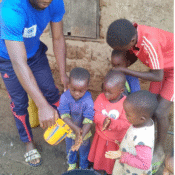
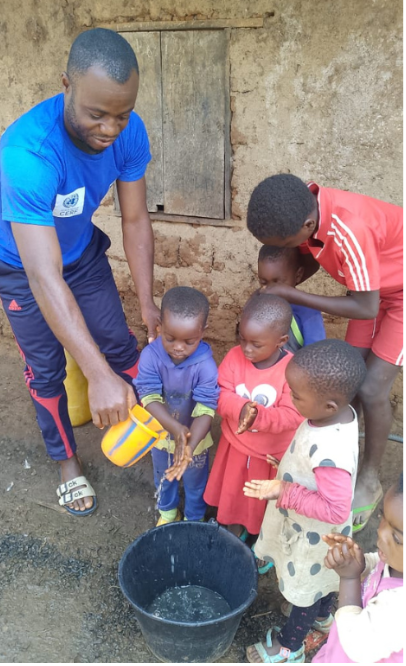
At its core, hygiene promotion focuses on key practices such as handwashing with soap, safe water handling, food hygiene, menstrual hygiene management, environmental cleanliness, and proper sanitation use. Among these, handwashing with soap at critical times—after using the toilet, before eating or preparing food, after cleaning a child, and after handling waste—is one of the most cost-effective interventions for preventing diarrheal diseases, respiratory infections, and other communicable illnesses. Despite its simplicity, consistent handwashing can significantly reduce child mortality and improve school attendance.
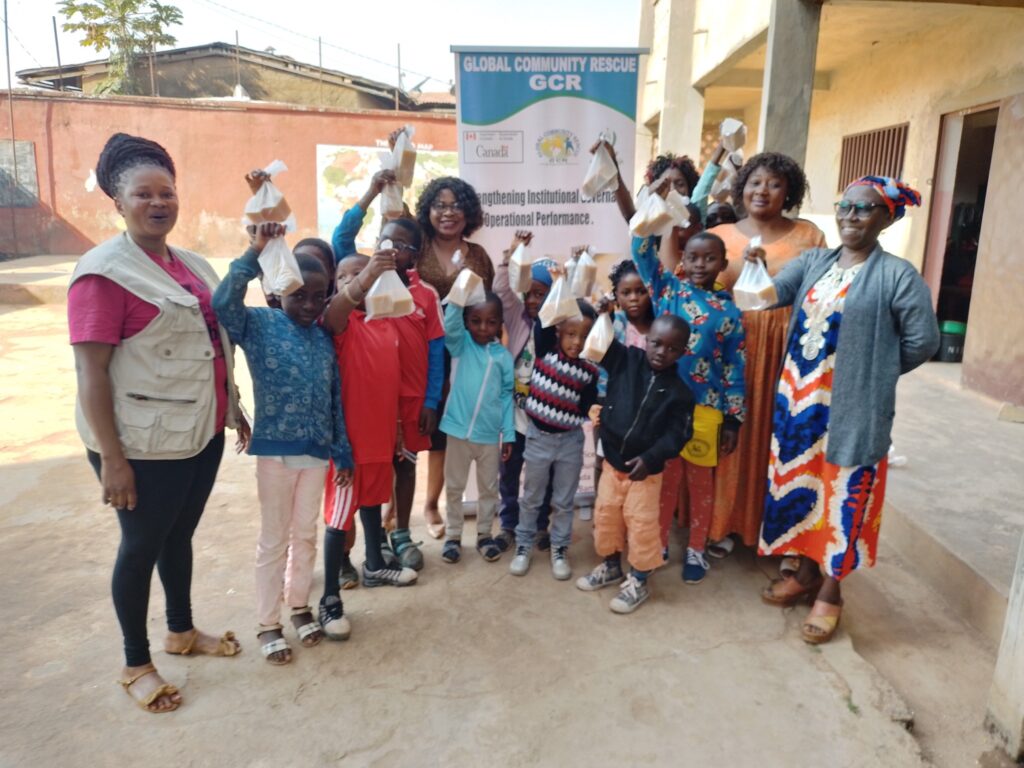
Hygiene promotion is especially important in low- and middle-income settings where access to clean water, sanitation facilities, and health services may be limited. In such contexts, poor hygiene practices contribute to the spread of diseases such as cholera, typhoid, dysentery, and intestinal worm infections. These illnesses disproportionately affect children, pregnant women, the elderly, and people with weakened immune systems. By promoting simple, affordable, and culturally appropriate hygiene behaviors, communities can reduce healthcare costs and improve productivity.
An effective hygiene promotion program is people-centered and context-specific. It recognizes that behavior change is influenced not only by knowledge but also by social norms, cultural beliefs, economic constraints, and the availability of facilities and supplies. Therefore, hygiene promotion must be combined with access to essential infrastructure such as safe water sources, latrines, handwashing stations, and hygiene materials like soap and sanitary products. Communication strategies should be participatory, using methods such as community discussions, school health clubs, drama, demonstrations, and mass media to reach diverse audiences.
Schools play a vital role in hygiene promotion by instilling lifelong healthy habits in children. When schools provide clean toilets, water, and handwashing facilities, and integrate hygiene education into the curriculum, students become agents of change who influence practices in their homes and communities. Similarly, healthcare facilities must model good hygiene practices to prevent healthcare-associated infections and build public trust.
Hygiene promotion is also closely linked to human dignity, gender equality, and social inclusion. Proper menstrual hygiene management, for example, enables girls and women to participate fully in education, work, and community life. Inclusive hygiene promotion ensures that the needs of people with disabilities, older persons, and marginalized groups are addressed.
In conclusion, hygiene promotion is a cornerstone of public health and sustainable development. By fostering positive behavior change, strengthening community engagement, and ensuring access to basic services, hygiene promotion saves lives, protects dignity, and creates healthier, more resilient communities.