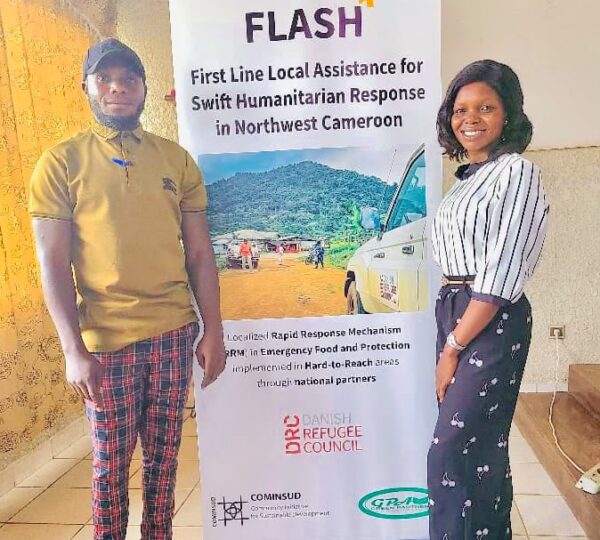
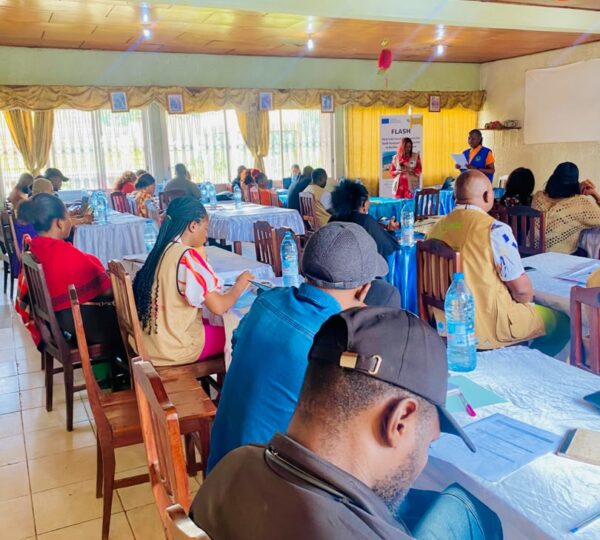
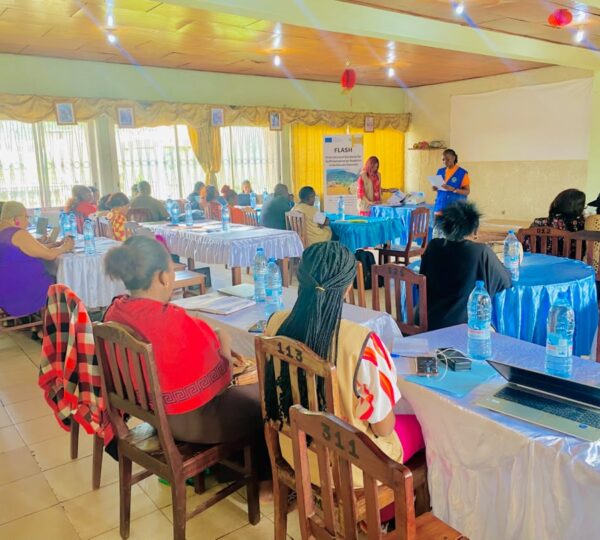
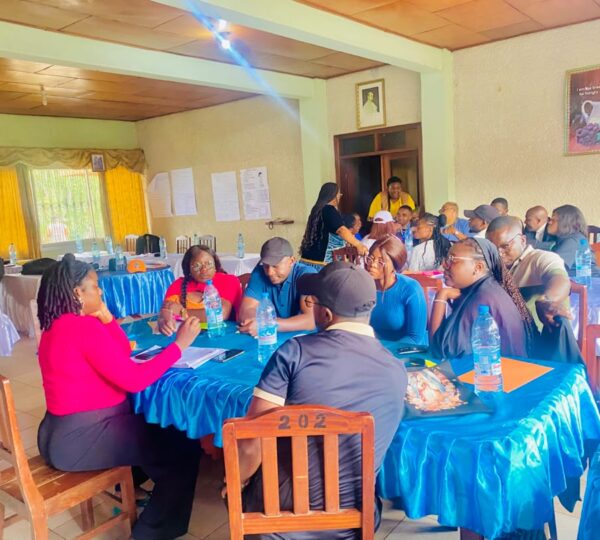
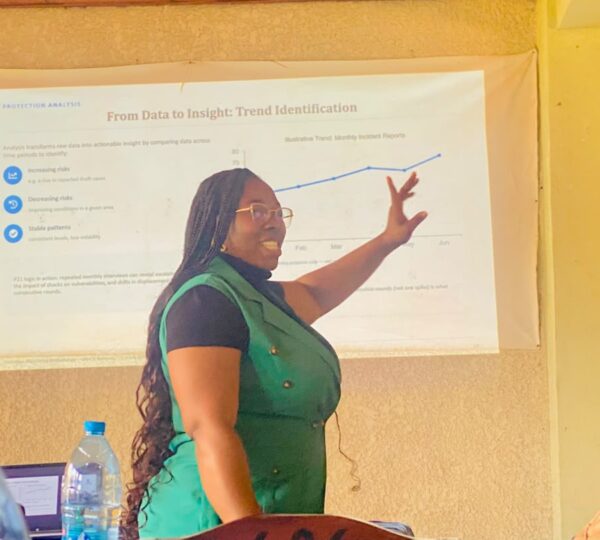
Brief summary of the program: This three (3) days program was on capacity building of National Actors on Protection monitoring, Protection Sector Transition Plan Implementation and Protection Monitoring Taskforce (PMTF) from the 1st – 3rd July 2026 at Pastoral centre at Mile 1, Bamenda 1 Subdivision. This training brought together 33+ participants with facilitators from UNHCR, IRC, DRC, INTERSOS and OHCHR.
Brief background
The protection environment in Cameroon continues to be marked by protracted conflict, insecurity, population displacement, restricted humanitarian access, and widespread protection risks affecting internally displaced persons, refugees, returnees, and host communities. Protection monitoring remains a critical function for identifying protection risks, informing humanitarian programming, supporting evidence-based advocacy, and facilitating timely responses. As part of the Protection Sector Transition Plan (2025-2027), partners have committed to strengthening national ownership and localization of protection coordination functions, including protection monitoring analysis, and reporting. The Protection Monitoring Task force (PMTF) has been identified as a key mechanism to support this transition through the harmonization of methodologies, strengthening of analytical capacities, and expansion of engagement with national and local actors.
National and local organizations are often the first responders and maintain access to communities in areas where international actors face operational constraints. However, variations in approaches, methodologies, reporting practices, and analytical capacities continue to affect the comparability, quality, and strategic use of protection monitoring data.
To support the implementation of the Protection Sector Transition Plan and contribute to the localization agenda, a three-day capacity-building training on protection monitoring will be organized for national actors operating in the Northwest, Southwest, and Far North regions. The training will strengthen a common understanding of protection monitoring standards and methodologies, improve data quality and analysis, and support the progressive integration and national actors into coordinated protection monitoring mechanism
OVERALL OBJECTIVE OF THE TRAINING
The overall objective was to strengthen the capacity of national actors to effectively, ethically, and harmoniously conduct protection monitoring and contribute to coordinated protection analysis, reporting, and advocacy efforts in line with agreed national methodologies, reporting standards, and the Protection Sector Transition Plan.
At the end of the three days training, participants gained knowledge and practical skills in:
✍️Protection monitoring concepts and principles.
✍️Human rights and protection risk identification.
✍️Application of the P21 Protection Monitoring Methodology.
✍️Ethical standards in protection work.
✍️Incident documentation and referral procedures.
✍️Community engagement through Focus Group Discussions.
✍️Protection data management and analysis.
✍️Protection reporting.
✍️Evidence-based advocacy.
✍️Coordination among humanitarian actors.
Acknowledgements
Special gratitude to DRC and collaborators for selecting GCR to partake in this protection monitoring program.